

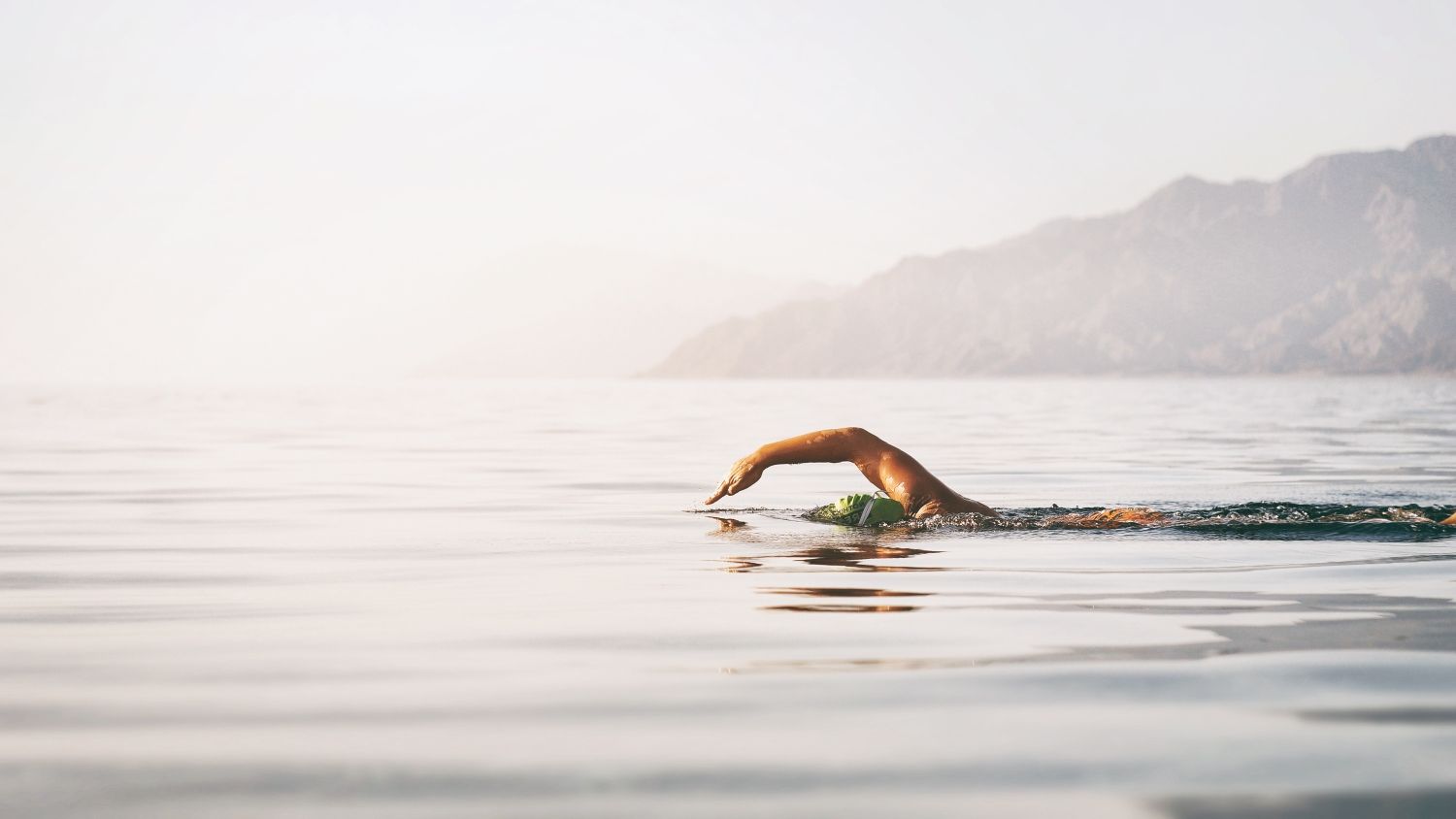
There are few sensations that can compare to open water swimming. Imagine gliding through a calm ocean, a serene river, or a crystal-clear lake while your body activates and your mind frees. If you're reading this, you've been intrigued by this wonderful sensation. Open water swimming is much more than a sport: it's wellness, freedom, and connection with nature and yourself. You're about to discover it.
Not only is it beneficial for your physical and mental well-being, your energy levels, and even pain management, but gliding through ocean, lake, or river waters makes you feel at one with nature. Although the natural environment has its own rules, with preparation, equipment, and attitude, open water swimming is an experience as safe as it is unforgettable.
However, open water swimming also carries certain risks. That's why we've put together this list of safety tips and considerations for open water swimmers, including the right equipment to increase your safety.
Open water swimming is safe. Absolutely. As with any sport, you need to be prepared and familiar with your surroundings. The more you know about the water, the better you can assess whether it suits your abilities and is right for you.
There are several risk factors and hazards associated with open water swimming that aren't present, for example, in a pool. There's no edge to hold onto, no markings on the floor to orient yourself, and no pleasantly warm water. But with minimal responsibility for preparation—and especially if you swim with or under the supervision of a professional—the benefits far outweigh any drawbacks.
Properly preparing yourself and others for your swim and being aware of potential hazards and how to avoid them can increase your safety when swimming in open water.
Only enter the water if you can swim safely and feel comfortable. Never do it on a full or empty stomach. And don't overestimate your physical condition. It's best to train for the pre-planned distance in the pool until you master it effortlessly.
Swimmers run the risk of fatigue, cramps, and being swept away by currents or tides. Lifeguards are usually not present, so professional assistance is not immediately available if needed.
Swimmers also run the risk of injury while swimming in open water due to floating objects or debris, other swimmers, marine animals, or vessels such as boats or kayaks.
Water temperatures are also very different from those in a pool. Open water water is cooler.
Drowning, fatigue, or cramps can be managed with good planning, a buddy, and your safety buoy. Hypothermia can be combated with a good wetsuit if the water is cool. Every challenge has a simple and accessible solution.
This website only uses its own cookies for technical purposes. No collection or processing of personal data is carried out through cookies that require your consent. Learn more about the cookies we use in our Cookie policy.